Why Stretching Alone May Not Be Enough for Chronic Neck and Back Pain

FULL ARTICLE
Introduction
Millions of people experience chronic neck and back pain every year. In an attempt to find relief, many turn to stretching exercises, yoga routines, or online mobility videos. While stretching can certainly help reduce tension and improve flexibility, many people become frustrated when their symptoms keep returning despite their efforts.
If you’ve ever thought, “I stretch every day, so why does my neck or back still hurt?” you’re not alone.
The truth is that stretching is only one piece of the puzzle. Chronic pain is often influenced by multiple factors including posture, muscle imbalances, joint dysfunction, workplace ergonomics, stress, and daily movement bad habits. Understanding these factors is essential for achieving lasting relief.
In this article, we’ll explore why stretching alone may not be enough and what else you can do to support your spinal health.
What Stretching Actually Does
Stretching has long been recommended as a way to improve flexibility, reduce muscle tightness, and support overall physical well-being. Whether you’re an office worker sitting at a desk all day, an athlete recovering after training, or someone dealing with daily aches and pains, stretching can be an effective tool for temporarily helping your body move more comfortably.
When muscles are held in the same position for prolonged periods, such as sitting in front of a computer, driving, or looking down at a mobile phone, they can become tight and less flexible. Stretching helps lengthen these muscles, improve mobility, and temporarily reduce feelings of stiffness and tension. Many people notice that they feel looser, lighter, and more comfortable immediately after stretching, which is why it is often one of the first things people try when experiencing neck or back pain.
Some of the benefits of regular stretching include:
- Improved Flexibility
Stretching helps maintain and improve the flexibility of muscles and soft tissues, making it easier to perform daily activities and move comfortably throughout the day. - Increased Range of Motion
Flexible muscles and joints often allow for smoother and more efficient movement. This can help improve posture, physical performance, and overall mobility. - Reduced Muscle Tension
Tight muscles can contribute to discomfort and feelings of stiffness. Stretching can help relax these muscles and provide temporary relief from built-up tension. - Better Circulation
Moving and stretching the body encourages blood flow to muscles and surrounding tissues, helping deliver oxygen and nutrients that support healthy function. - Temporary Pain Relief
Many people experience a reduction in discomfort after stretching because it can decrease muscle tightness and improve mobility in restricted areas. - Improved Body Awareness
Regular stretching can help individuals become more aware of their posture, movement patterns, and areas of tightness, encouraging healthier habits throughout the day.
These benefits make stretching a valuable part of a healthy lifestyle and an important component of many rehabilitation and wellness programs. However, it is important to understand what stretching can and cannot do.
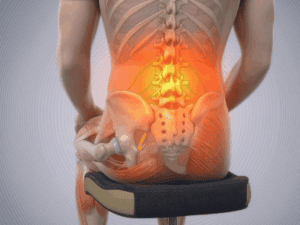
Stretching primarily targets the muscles and soft tissues surrounding the joints. While this can be helpful, chronic neck and back pain is often more complex than simply having tight muscles. In many cases, ongoing pain may also involve poor posture, muscle imbalances, joint restrictions, repetitive work habits, prolonged sitting, stress, lack of physical activity, or underlying spinal dysfunction.
For example, an office worker may stretch their neck several times a day to relieve tension. The stretching may provide temporary relief, but if they continue spending eight to ten hours daily with their head positioned forward over a computer screen, the strain on their neck will continue to build. Similarly, someone with lower back pain may stretch their hamstrings every morning, but if weak core muscles and prolonged sitting remain unaddressed, the discomfort may continue to return.
This is why many people find themselves caught in a cycle of stretching, feeling better for a short period, and then experiencing the same pain again hours or days later. Stretching may help manage symptoms, but it does not always address the underlying cause of the problem.
Think of stretching as an important piece of the puzzle rather than the entire solution. While it can help reduce tension and improve mobility, lasting improvements often require a more comprehensive approach that includes strengthening, movement, posture correction, ergonomic changes, and identifying the factors contributing to the pain in the first place.
Understanding the role of stretching is the first step toward developing a more effective strategy for achieving long-term neck and back health.
The Problem with Treating Symptoms Only
Imagine noticing a warning light on your car’s dashboard and simply covering it with a piece of tape. The warning light disappears, but the underlying problem remains.
This is similar to what happens when stretching provides temporary relief without addressing the true source of pain.
For example:
- Poor posture may continue placing stress on your spine.
- Weak stabilizing muscles may fail to support proper movement.
- Joint restrictions may limit mobility.
- Prolonged sitting may continue to overload spinal structures.
Stretching may help you feel better for a short period, but unless these contributing factors are addressed, symptoms often return.
Long-term improvement requires understanding why the pain developed in the first place.
Muscle Imbalances Can Keep Pain Coming Back
One of the most common misconceptions about neck and back pain is that it is caused solely by tight muscles. As a result, many people focus all of their efforts on stretching the areas that feel stiff or uncomfortable. While tight muscles can certainly contribute to pain, they are often only part of the problem.
In reality, chronic pain is frequently linked to muscle imbalances, a situation where certain muscles become overly tight and overactive, while others become weak, underactive, or unable to provide adequate support. These imbalances can develop gradually over months or even years due to poor posture, bad habits, repetitive movements, prolonged sitting, lack of exercise, or previous injuries.
When some muscles are not functioning properly, other muscles are forced to compensate. Over time, this creates additional stress on the body’s joints, ligaments, and spinal structures, increasing the likelihood of discomfort and injury.
For example, office workers who spend long hours sitting at a desk often develop a characteristic posture known as “rounded shoulders” or “forward head posture.” In this situation, the chest muscles at the front of the body become tight and shortened, while the muscles of the upper back and between the shoulder blades become weakened. This imbalance pulls the shoulders forward and places additional strain on the neck and upper back.
As a result, many people experience:
- Chronic neck tension
- Shoulder tightness
- Upper back discomfort
- Frequent headaches
- Reduced shoulder mobility
Similarly, individuals suffering from lower back pain often have weak core muscles and underactive glute muscles. The core and glutes play a crucial role in supporting the spine and maintaining proper movement patterns. When these muscles are weak, the lower back muscles are forced to work harder than they were designed to, leading to fatigue, stiffness, and recurring pain.
This is one reason why some people find that stretching their lower back provides temporary relief but never seems to solve the problem completely. The lower back muscles may not actually be the primary issue, they may simply be overworking to compensate for weaknesses elsewhere in the body.
Muscle imbalances can also affect the way we walk, sit, stand, lift objects, and perform everyday activities. Even small changes in movement patterns can create uneven stress on the spine over time. What begins as minor tightness can eventually develop into chronic pain if the underlying imbalance remains unaddressed.
Think of your body as a team. When every muscle is performing its role effectively, movement feels smooth and efficient. However, when certain muscles become weak and stop doing their job, other muscles must pick up the extra workload. Eventually, these overworked muscles become fatigued, tight, and painful.
This is why stretching alone may not provide lasting results. While stretching can help relax overactive muscles and temporarily reduce discomfort, it does little to strengthen the muscles that are failing to provide proper support. For long-term improvement, it is often necessary to combine stretching with strengthening exercises, posture correction, and movement training.
A comprehensive approach might include:
✓ Stretching tight and overactive muscles
✓ Strengthening weak and underactive muscles
✓ Improving posture and ergonomic habits
✓ Increasing daily movement and physical activity
✓ Addressing faulty movement patterns
By restoring balance throughout the body, muscles can work together more efficiently, reducing unnecessary strain on the spine and surrounding structures. This not only helps relieve pain but also improves overall function, stability, and resilience.
Ultimately, a balanced body is a healthier body. When muscles are working in harmony, movement becomes easier, posture improves, and the spine experiences less stress. This creates a stronger foundation for long-term neck and back health and helps reduce the likelihood of recurring pain in the future.
Movement Is More Important Than Perfect Stretching
The human body was designed to move.
Research consistently shows that regular movement throughout the day is one of the most effective ways to support musculoskeletal health.
Instead of focusing solely on stretching, consider incorporating:
✓ Walking breaks
✓ Standing periodically
✓ Strength training
✓ Mobility exercises
✓ Regular physical activity
Movement helps nourish joints, improve circulation, activate muscles, and reduce stiffness.
In many cases, people experience greater improvement from increasing their daily activity levels than from adding more stretching exercises alone.
The goal is not simply flexibility, it is healthy movement.
A More Complete Approach to Chronic Neck and Back Pain
Managing chronic pain often requires a comprehensive approach.
This may include:
Stretching
To improve flexibility and reduce muscle tension.
Strengthening Exercises
To support spinal stability and improve posture.
Ergonomic Improvements
To reduce unnecessary stress during work and daily activities.
Movement Breaks
To avoid prolonged static positions.
Lifestyle Modifications
Including exercise, sleep quality, hydration, and stress management.
Professional Assessment
To identify factors contributing to pain and develop an individualized plan.
By addressing multiple aspects of health, individuals often achieve more sustainable results compared to relying on stretching alone.
Conclusion and Take-Home Message
Stretching remains an important part of maintaining a healthy body, but it should not be viewed as a complete solution for chronic neck and back pain.
If your symptoms keep returning despite regular stretching, there may be underlying factors that need attention. Muscle imbalances, poor posture, prolonged sitting, reduced strength, joint dysfunction, and lifestyle habits can all contribute to ongoing discomfort.
The most effective approach often combines flexibility, strength, movement, posture awareness, and proper spinal care. Rather than asking, “What stretch should I do?” a better question may be, “What is causing my pain to return in the first place?”
At First Fruits Chiropractic, we help patients identify the root causes of their neck and back pain and develop personalized strategies to support long-term spinal health and well-being.
Remember: stretching can help you feel better temporarily, but understanding and addressing the cause of your pain is what helps you stay better in the long run.