5 Warning Signs Your Lower Back Pain Is Related to Sitting Too Much
FULL ARTICLE
In today’s modern workplace, many people spend 6 to 10 hours a day sitting at a desk. And they believe lower back pain is simply part of getting older. In reality, prolonged sitting is often a major contributor.
While this may seem harmless, prolonged sitting can place significant stress on your lower back and contribute to persistent pain and discomfort.
If you’ve been experiencing lower back pain, your daily sitting habits may be playing a larger role than you realize.
Here are five warning signs that your lower back pain could be related to sitting too much.
1. Your Back Feels Stiff When You Stand Up
Do you find yourself slowly straightening up after sitting for a long period?
This is one of the most common signs of sitting-related lower back stress. Remaining in the same position for extended periods can cause the muscles and joints in your lower back to become stiff and less mobile. As a result, standing up may feel uncomfortable or even painful.
While the stiffness may improve after moving around, repeated episodes can eventually lead to chronic discomfort.
2. Your Pain Gets Worse Throughout the Workday
If your back feels relatively comfortable in the morning but becomes increasingly painful by the afternoon, prolonged sitting could be the culprit.
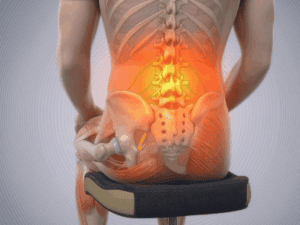
Sitting places more pressure on the spinal discs than standing. Over time, this constant pressure can irritate the structures of the lower back, leading to increasing discomfort as the day progresses.
Many office workers notice their symptoms peak toward the end of the workday, especially after long meetings or hours spent in front of a computer.
3. You Feel Better When You Move Around
A key indicator that sitting may be contributing to your pain is when movement provides relief.
If taking a short walk, stretching, or simply standing up helps reduce your symptoms, it may suggest that prolonged static postures are placing unnecessary stress on your spine.
The human body is designed to move. Regular movement helps improve circulation, maintain joint mobility, and reduce muscular tension.
4. You Frequently Shift Positions in Your Chair
Do you constantly adjust your sitting position because you can’t get comfortable?
Frequent fidgeting, crossing and uncrossing your legs, or leaning from side to side may indicate that your body is trying to reduce pressure on irritated muscles, joints, or spinal discs.
While changing positions may provide temporary relief, it often does not address the underlying issue causing the discomfort.
5. Your Back Pain Keeps Coming Back
Many people experience temporary improvement after resting, stretching, or taking pain medication, only to have the pain return a few days later.
Recurring lower back pain is often a sign that the underlying cause has not been properly addressed. If your daily routine continues to involve prolonged sitting without adequate movement, the cycle of pain may continue.
Persistent or recurring symptoms should not be ignored, especially if they begin affecting your work performance, exercise routine, or quality of life.
What Can You Do?
Stand Up and Move Every 30-60 Minutes
One of the simplest and most effective ways to reduce lower back pain is to avoid sitting for prolonged periods without movement. Even if you maintain good posture, remaining in the same position for hours can increase pressure on your spinal discs and cause muscles to become tight and fatigued. Setting a reminder to stand up, stretch, or take a short walk every 30 to 60 minutes can help improve circulation, reduce stiffness, and relieve stress on your lower back. Small movement breaks throughout the day can make a significant difference in how your body feels by the end of the workday.
Optimize Your Workstation Ergonomics
Your workstation setup can have a major impact on your spinal health. If your monitor is too low, your chair lacks support, or your desk height is not appropriate, your body may compensate by adopting poor posture. Over time, these habits can place excessive strain on the lower back. Ensure that your monitor is at eye level, your shoulders remain relaxed, and your feet are flat on the floor. A supportive chair that maintains the natural curve of your lower back can also help reduce stress on your spine during long working hours.
Strengthen Your Core and Postural Muscles
Your core muscles act as a natural support system for your spine. When these muscles are weak, your lower back often has to work harder to maintain stability and posture. Regular exercises that strengthen the abdominal muscles, lower back, hips, and glutes can improve spinal support and reduce the likelihood of developing chronic back pain. Simple activities such as planks, bridges, and supervised strength training can help build a stronger foundation for long-term spinal health.
Stay Physically Active Outside of Work
Many office workers spend most of their day sitting and then continue to remain inactive after work. Incorporating regular physical activity into your routine can help counteract the effects of prolonged sitting. Activities such as walking, swimming, cycling, yoga, or resistance training promote flexibility, improve circulation, and support overall spinal function. The goal is not necessarily intense exercise, but rather consistent movement that keeps your body active and resilient.
Pay Attention to Your Posture Throughout the Day
Good posture is not about sitting perfectly straight all day. Instead, it is about maintaining a balanced position that places minimal stress on your muscles and joints. Try to keep your ears aligned with your shoulders, your shoulders relaxed, and your lower back supported while sitting. Being mindful of your posture during work, commuting, and even while using your phone can help reduce unnecessary strain on your spine over time.
Don’t Ignore Persistent Symptoms
Occasional aches and stiffness can happen to anyone, especially after a long day at work. However, if your lower back pain continues to return, becomes more frequent, or begins affecting your daily activities, it is important not to ignore it. Persistent pain may indicate an underlying issue that requires professional evaluation. Addressing the problem early often leads to better outcomes and may help prevent minor discomfort from developing into a more serious condition.
Seek Professional Advice When Needed
If lifestyle changes, stretching, and exercise have not resolved your symptoms, a professional chiropractor assessment may help identify the root cause of your discomfort. Understanding whether your pain is related to posture, muscle imbalance, joint dysfunction, or other factors can help guide an appropriate management plan. Early intervention can often help individuals return to their normal activities more comfortably and prevent ongoing problems from affecting their quality of life.
When Should You Seek Help?
Many people assume that lower back pain will simply go away on its own with time. While some episodes of discomfort may improve with rest and self-care, persistent or recurring pain should not be ignored. If your lower back pain has lasted for several weeks, repeatedly returns despite temporary relief, or is beginning to interfere with your work, exercise routine, sleep, or daily activities, it may be time to seek professional advice.
It is especially important to pay attention if you find yourself avoiding certain movements, relying frequently on pain medication, or limiting activities that you previously enjoyed because of your back pain. These can be signs that the underlying issue is not fully resolving and may require further assessment. The sooner contributing factors are identified, the easier it may be to address them before they progress into more significant problems that affect your quality of life.
Many cases of lower back pain are influenced by a combination of factors, including prolonged sitting, poor posture, repetitive work habits, muscle imbalances, reduced mobility, and physical stress accumulated over time. Without addressing these contributing factors, symptoms may continue to return even if they temporarily improve. Early intervention can help identify the root cause of the problem and provide strategies to support long-term recovery and prevention.
At First Fruits Chiropractic, we understand the unique challenges faced by office workers and desk-bound professionals. Through a comprehensive assessment, we aim to identify the factors contributing to your discomfort and develop a personalized care plan tailored to your specific needs and lifestyle. Our goal is not only to help relieve symptoms but also to improve spinal function, posture, movement patterns, and overall well-being so that you can continue performing at your best both at work and in your daily life.
Remember, pain is often your body’s way of signaling that something needs attention. Taking action early can make a significant difference in your recovery and help prevent minor issues from developing into chronic conditions. Your spine supports you through every movement, every workday, and every activity you enjoy. Investing in your spinal health today can help you stay active, comfortable, and productive for years to come.
📍 Conveniently located at 1 Tessensohn Road (Kallang) and 45 Telok Blangah Drive
📞 Book your consultation today and take the first step towards stronger, healthier, pain-free.