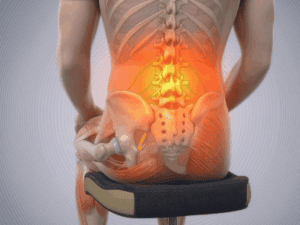
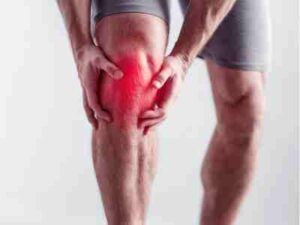
When we think about sports injuries, most people imagine athletes on the field but in reality, joint injuries can happen to anyone. Whether it’s a weekend run, a friendly badminton match, or even repetitive movement from daily activities, sprains, tears, and overuse injuries can affect people of all fitness levels and ages.
These issues don’t just cause pain, they can silently change the way your body moves, loads stress, and heals. That’s where chiropractic care steps in: to restore proper joint alignment, improve movement, and support your body’s natural recovery process.
Understanding Common Joint Injuries
Sprains and Strains
A sprain involves overstretching or tearing of a ligament (which connects bone to bone), while a strain affects muscles or tendons. The ankle is one of the most commonly injured joints. A simple misstep can stretch the ligaments beyond their limit. Without proper rehabilitation, even a “minor” sprain can leave lasting instability, stiffness, or even can cause re-injury.
Tendon and Muscle Tears
Repetitive stress or sudden force can cause micro-tears in the muscle or tendon, commonly seen in the shoulder (rotator cuff tears), knee (meniscus or hamstring issues), and elbow (tennis elbow, golfer elbow). These tears can accumulate over time, even without a single major trauma.
Overuse Injuries
When small micro-injuries occur faster than the body can repair them, overuse injuries develop. Examples include tendinitis (acute inflammation), bursitis, or joint impingement. They often appear in people who perform repetitive motions, from athletes to office workers using a handphone, a mouse for hours each day.
Why Joint Injuries Often Don’t Fully Heal on Their Own
Many people assume that if the pain fades, the injury is healed. Unfortunately, this isn’t always true. When joints don’t move correctly after an injury, the surrounding muscles may weaken or overcompensate, the new tissue might not recover the same direction of muscles and ligament pattern. This leads to poor movement patterns that strain the same areas again and again.
For instance, an ankle that was sprained years ago may still have subtle instability. Over time, this can affect how you walk, which places more stress on your knees, hips, and lower back. Similarly, an old shoulder strain may reduce shoulder mobility and lead to muscle tightness or early degeneration.
Pain relief doesn’t mean full recovery, it just means the body has adapted around the problem. Chiropractic care helps address these long-standing imbalances so your body can heal more properly, and completely.
How Chiropractic Care Helps with Joint Injuries
Chiropractic care isn’t just about “cracking bones.” It’s about improving joint function and restoring balance throughout your musculoskeletal system. Here’s how it can help:
A proper evaluation includes a detailed health history, movement tests, and sometimes X-rays to understand the full picture, it’s not just where you feel the pain. This helps identify whether the issue comes from a local injury or from compensation elsewhere (like the hip affecting the knee).
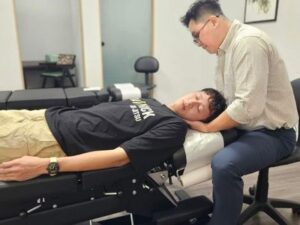
Through gentle and precise chiropractic adjustments, restricted joints can regain the range of motion. This helps reduce strain on surrounding muscles, tendons, ligaments and nerves, allowing the body to move and heal more naturally.
Complementary therapies like electrical stimulation, dry needling, IASTM (Instrument-Assisted Soft Tissue Mobilization), and cupping can help relax tight muscles, reduce inflammation, and promote healing.
Rehabilitation exercises such as Isometric, eccentric, and concentric exercises help retrain balance, coordination, and strength. It is essential for preventing future re-injury. For example, ankle stability drills, shoulder rotator cuffs activation, or core strengthening may be part of the recovery plan.
Even after symptoms improve, periodic chiropractic care helps maintain alignment, ensuring your joints continue to function well. Think of it like maintaining your car, regular tune-ups prevent bigger issues down the road.
Beyond Pain Relief: Building Resilience and Performance
One of the biggest misconceptions is that chiropractic care is only for people in pain. In reality, it’s just as much about performance and prevention.
For the active individual: Proper joint alignment and balanced muscle function allow for smoother movement, faster recovery, and better performance.
For those less active: Regular care helps counteract joint stiffness, improve posture, and keep the body mobile as you age.
For chronic or recurring issues: Even old injuries that never fully recovered can improve once alignment and mobility are restored.
A good example is the shoulder joint, one of the most mobile and complex joints in the body. Repetitive strain, postural habits, or old microtears can lead to conditions like rotator cuff impingement, rotator cuff tendinitis, rotator cuff tear or even frozen shoulder.
Frozen shoulder patients often develop slowly, starting with stiffness before progressing to pain and restricted movement. Chiropractic adjustments, soft tissue therapy, and mobility retraining can help improve function and circulation in the shoulder region, especially when combined with early intervention.
This shows that chiropractic care extends beyond “spine problems.” It can support recovery for joints throughout the body from ankles and knees to wrists and shoulders.
Why “No Pain” Doesn’t Mean “Fully Healed”
Many people stop seeking care as soon as their pain goes away. But pain is often the last thing to appear on your body and the first thing to fade.
Joint degeneration, restricted mobility, and muscle imbalance can exist quietly beneath the surface.
That’s why regular reassessments and maintenance care are essential. Even when you feel fine, a chiropractor can detect small alignment or functional issues early, before they turn into pain again.
At Home Tips for Supporting Joint Recovery
Move gently but consistently. Prolonged rest can delay the healing process, light movement promotes blood flow and mobility.
Strengthen supporting muscles. Focus on stability exercises around the injured joint once pain allows.
Mind your posture. Even sitting posture affects joint stress distribution.
Stay hydrated and eat anti-inflammatory foods. Proper nutrition supports tissue healing.
Listen to your body. Recurring discomfort signals incomplete recovery, don’t ignore it and visit your chiropractor as soon as possible.
Common Questions About Chiropractic & Joint Injuries
Q: Can chiropractors treat other joint injuries outside the spine?
Absolutely YES. Chiropractors are trained to assess and treat all musculoskeletal issues including shoulders, knees, elbows, ankles, and hips. Many patients come in for joint-related issues unrelated to back or neck pain.
Q: Is it safe to adjust injured joints?
Yes, when done by a qualified chiropractor after proper assessment. Adjustments are performed gently and within the joint’s natural range of motion. In some cases, soft tissue or mobilisation techniques are used first before full adjustments.
Q: What if I’ve had this injury for years?
Even long-standing issues can benefit from chiropractic care. While scar tissue can’t be fully reversed, improving alignment and movement helps reduce compensation and prevents further wear and tear.
Q: Do I need an X-ray before treatment?
In many cases, Yes. Especially if the injury is chronic, recurring, or severe. X-rays help identify alignment changes, joint space narrowing, or signs of degeneration that affect your recovery plan.
Q: How long will it take to recover?
It varies depending on the type of injury, your overall health, and how consistently you follow through with care and home exercises. Most people notice improvement within a few visits, but full recovery and stabilisation take time and follow-up.
Conclusion
Whether you’re a weekend warrior, a working adult, or simply trying to stay active and healthy, joint injuries can affect your daily function more than you realise. Chiropractic care offers a structured, whole-body approach, not just to reduce pain, but to restore mobility, prevent recurrence, and enhance long-term joint health.
Remember: recovery isn’t just about feeling better. It’s about functioning better.