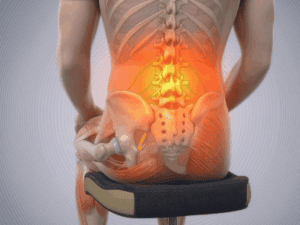
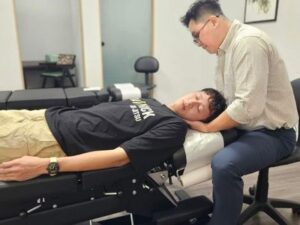
Dry Needling is a therapeutic technique where thin, acupuncture-style needles are inserted into specific muscle “trigger points.” These trigger points are tight, sensitive spots within muscles that can cause pain and restricted movement. The goal of dry needling is to provoke a brief muscle twitch response, which helps to reduce muscle tension, relieve pain, and improve muscle function.
Accupuncture
Dry Needling is not the same as accupuncture which is a practice based on Traditional Chinese Medicine (TCM) and performed by an accupuncturists. The philiosophy differs as they focus on restoring energy or “Qi” to the body. It is believed that there are blockages that can be restored by placing needles along Meridans also known as energy channels.
What Will I Experience During Dry Needling?
At First Fruits Chiropractic Singapore, the needles used in dry needling are very thin, so you may feel little to no sensation when the needle enters the skin. If the muscle being treated is tight or sensitive, you might feel a quick cramping or twitch sensation. This feeling is brief and often described as therapeutic, followed by reduced pain and muscle relaxation.
Are There Any Side Effects of Dry Needling?
The most common side effect is temporary muscle soreness after the treatment, typically lasting 1 to 2 days. Your Chiropractor will advise you on how to minimize this discomfort. Less common side effects include bruising or minor bleeding. If you have concerns or questions about side effects, please discuss them with your Chiropractor before treatment.
How Does Dry Needling Help?
Dry needling works by releasing shortened, tight muscles, which reduces pressure on nearby nerves and tissues. Research shows that the muscle twitch response triggered by dry needling helps the muscle relax, decreasing the pull on surrounding areas and relieving pain.
How Often Will I Need Dry Needling Treatments?
Treatments are usually scheduled once a week to allow adequate recovery between sessions. The total number of treatments depends on factors such as:
Duration of your condition
Severity and extent of the muscle tightness or pain
How quickly your body responds and heals
The presence of contributing factors that need addressing
Your Chiropractor will create a personalized treatment plan based on your specific needs.
Are There Any Contraindications or Precautions for Dry Needling?
Before starting dry needling, inform your clinician if you:
Are pregnant
Have metal allergies
Have implants or joint replacements
Have had axillary or inguinal lymph node dissection
Have a fear of needles (needle phobia)
This information helps ensure your treatment is safe and appropriate.
Have More Questions About Dry Needling?
Feel free to discuss any further questions or concerns with your Chiropractor. We’re here to help you understand your treatment options and support your recovery.
Dry Needling Service at First Fruits Chiropractic Singapore
Our Chiropractors are GEMt Certified and constantly upgrade our skills to better serve our patients.